0
K
Discover what workshops are and how interactive, hands-on sessions build confidence, communication, creativity, and personal growth for lasting, real-world skills.
Workshops are interactive learning which involves individuals acquiring new skills through practical activities. Participants are not required to listen to a teacher only, but take part in exercises, discussions, and actual practice. Workshops enable individuals to become more confident, communicate, get creative, and develop themselves. The Charisma Code claims that workshops are organized to help a person find his or her voice, develop effective communication abilities, and speak confidently.
A workshop is an intensive educational process that involves a group of people to acquire certain skills or knowledge through facilitated activities. Workshops may be brief, in a few hours, or intensive, such as several days. Key characteristics of workshops include:
Workshops have been applied to education, professional development, creative arts, leadership training, and personal growth programs.
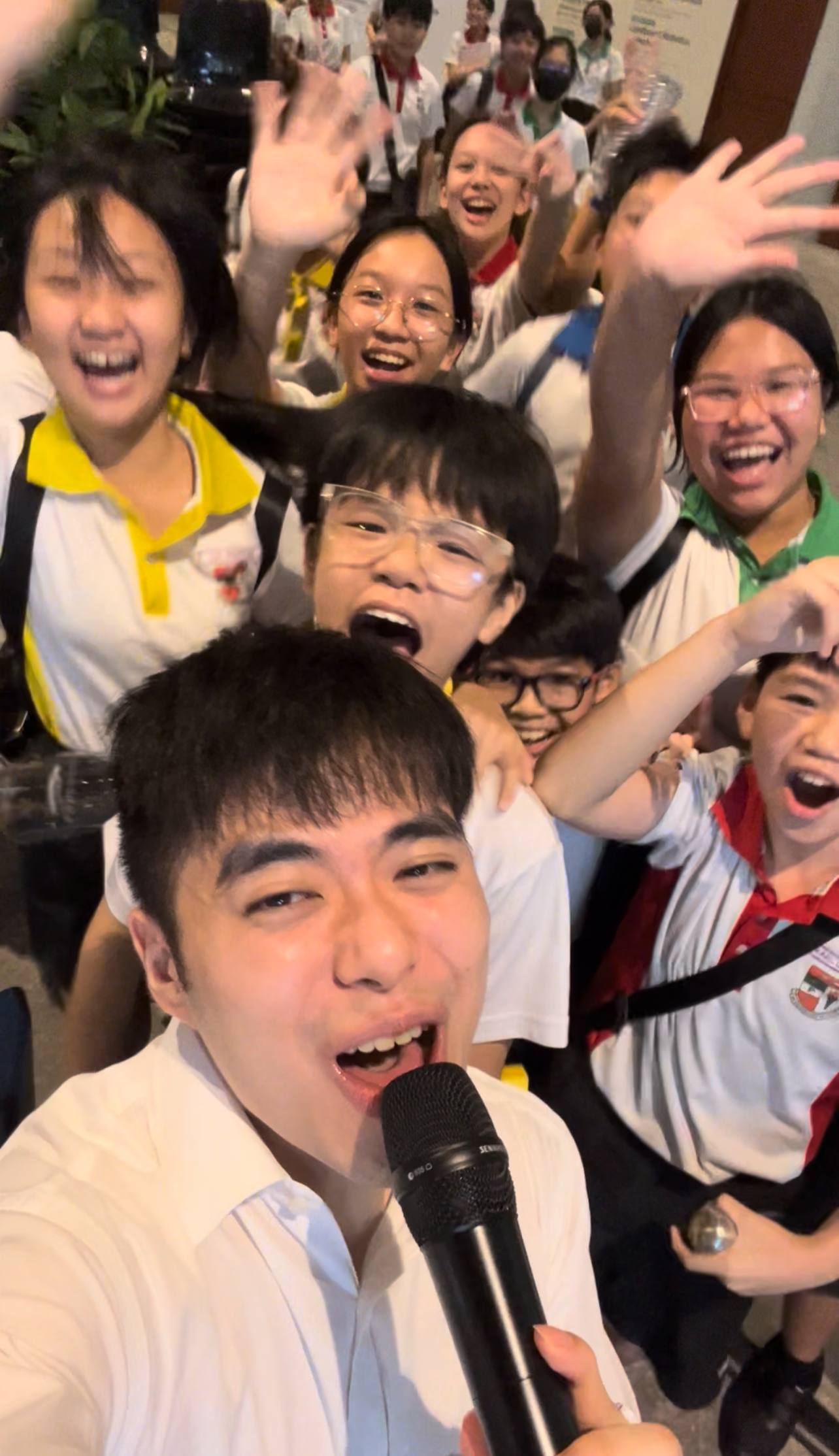
The primary idea of a workshop is to enable the participants to develop improved skills, along with gaining confidence and self-awareness. Workshops in Singapore are not only supposed to deliver information, but also to bring about transformation.
Common goals of workshops include:
As an illustration, a charisma and communication workshop will assist those attending to communicate effectively, use tone and conviction to speak, and grow to have meaning with other people.
Immersive workshops are also multi-day immersive workshops that offer intensive learning experiences. Practices and trainers are conducted in practical sessions, confidence development, performance drills, and group work so that participants can develop skills inside and outside.
Modular skill-based workshops are designed programs that are broken down into learning segments that are offered on a weekly or hourly basis. There are skills such as creative skills, study skills, and public speaking, which the participants slowly build with the aid of guided practice.
The masterclass workshops are one-on-one in coaching, and they are personalized based on the goals. The respondents are provided with immediate feedback, skill-specific practice, and specialized advice to help them advance speedily to the presentation, a performance, or an interview process.
The field of development of the modern corporate workshops Singapore are not confined to a single area. Most of the programs incorporate innovation into useful skills to create a holistic learning process. Such workshops can be creative and skill-based, and include:
The multi-disciplinary approach permits the participants to develop various talents even as they enhance the communication and expression of self.
The practice of interactive workshops builds confidence in oneself and personal trust, particularly when it comes to speaking to the audience, making a presentation, or performing, as it allows one to overcome fear and shyness as well as self-doubt.
Workshops enhance clarity, speech volume, body language understanding, listening skills, and persuasive speech, and make the participants communicate better in academic, work, and social contexts.
Exercises during the creative workshop encourage the imagination, stimulate original thinking, and motivate the members to demonstrate ideas with confidence and investigate new ways of thinking and new approaches to problem-solving.
Hands-on activities and guided practice offer practical, real-world skills to the participants so that they can instantly put into practice what they have learned at school, workplace setting, or in real-life situations.
Workshops can be appropriate for both old and young people. They are especially helpful for:
Whether the individual prefers to feel more assured, on-stage, or just more productive in meetings, workshops are organized to help them.
The effectiveness of workshops is due to the fact that they are action-oriented and not passive. The participants are fully engaged and train and apply concepts on the spot. Learning is interesting, unforgettable, and useful. This practical method will see the skills grow quicker and create actual confidence based on expertise, rather than theoretical learning.
Select a workshop that can be associated with your particular objective, which can be enhancing confidence, communication, creativity, or leadership capabilities.
Think about the amount of time you will be able to dedicate; multi-day workshops give a profound change, whereas the shorter modular training gives a focused learning experience.
Choose whether you want to use a one-on-one session to receive personalized guidance or conduct the group workshops to have interaction, collaboration, and learning experiences.
Charisma and confidence are not innate qualities, but can be gained through training and practice. Charisma and communication workshops may include:
In this busy world, individuals would like to have learning processes that are interactive, practical, and time-saving. Workshops address such needs by integrating theory and action. The effectiveness of workshops is explained by the following reasons:
The role of a facilitator of a workshop is crucial in setting a path of learning and achievement. They establish a comfortable, non-judgmental atmosphere, facilitate active involvement, give positive feedback, coordinate group dynamics, and modify activities to suit the needs of participants to make sure that all people feel supported, heard, respected, and valued during the course.
Don’t wait any longer! Connect with us to find the perfect emcee for your event. Visit our services page, send us an email at hello@thecharismacode.co, or WhatsApp/call us at +65 9437 8083.
Hands-on interactive learning offered in workshops develops skills, confidence, and creativity. Through facilitated activities and practice in the real world, one gains communication, leadership, and personal development skills, and so workshops are an effective, practical, and interesting method to convert knowledge into meaningful experience.
The Charisma Code is your go-to for engaging emceeing, performing, dynamic workshops, and unforgettable event and campaign management experiences led by De Zhong.
Copyright © 2025. All rights reserved.